
Understanding the IVF Process: A Comprehensive Guide
IVF, or in vitro fertilization, is a fertility treatment that helps couples achieve their dream of having a child. The process involves several steps, including initial checks, egg stimulation, sperm extraction, embryo culture, and embryo transfer. With a success rate of around 40%, IVF is a viable option for couples struggling with infertility.
IVF Process Overview
IVF is a fertility treatment that involves combining a woman's eggs and a man's sperm in a laboratory dish, creating an embryo, and then transferring the embryo into the woman's uterus. The entire process typically takes several months and includes several steps, including initial checks, egg stimulation, sperm extraction, embryo culture, and embryo transfer.
Initial Checks
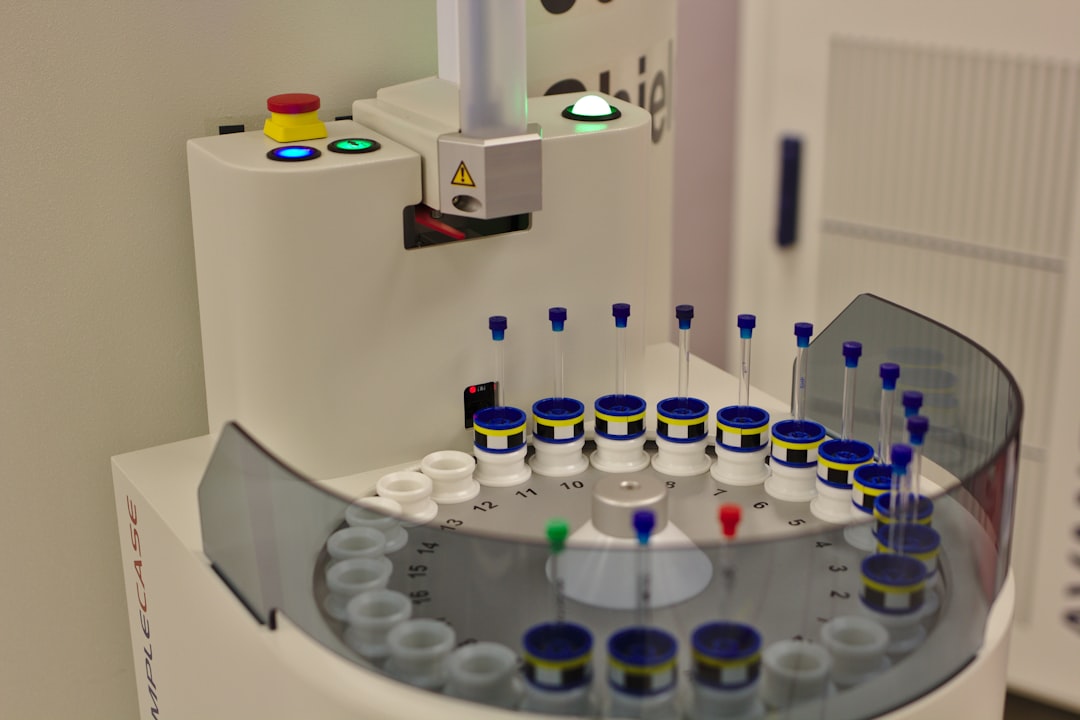
Initial checks are the first step in the IVF process, which involves examining the couple's physical and reproductive health to determine their fertility potential. This includes a physical examination, blood tests, and hormone level checks to assess the couple's reproductive health.
Egg Stimulation
Egg stimulation is the second step in the IVF process, which involves using hormone medication to stimulate the woman's ovaries to produce multiple eggs. This process typically takes several weeks and is monitored by the fertility specialist to ensure the eggs are developing properly.
Sperm Extraction

Sperm extraction is the third step in the IVF process, which involves collecting a sample of the man's sperm for use in the fertilization process. This can be done through a simple semen analysis or through a more invasive procedure, such as a testicular biopsy.
Embryo Culture
Embryo culture is the fourth step in the IVF process, which involves combining the woman's eggs and the man's sperm in a laboratory dish to create an embryo. The embryo is then cultured in a specialized medium to allow it to develop and grow.
Embryo Transfer
Embryo transfer is the final step in the IVF process, which involves transferring the embryo into the woman's uterus to allow it to implant and develop into a fetus. This is typically done through a simple procedure, such as a catheter insertion.
IVF Success Rate
The success rate of IVF varies depending on several factors, including the couple's age, fertility potential, and the quality of the eggs and sperm. According to the American Society for Reproductive Medicine (ASRM), the success rate of IVF is around 40%.
IVF Cost
The cost of IVF varies depending on several factors, including the fertility specialist, the location, and the type of treatment. According to the ASRM, the average cost of IVF is around $10,000 to $20,000.
IVF Risks
IVF carries several risks, including multiple pregnancy, ovarian hyperstimulation syndrome (OHSS), and ectopic pregnancy. However, the risks can be minimized by choosing a reputable fertility specialist and following their recommendations.
IVF Support
IVF can be a stressful and emotional experience, but there are several resources available to support couples going through the process. These include fertility support groups, online forums, and counseling services.
Recommended Institutions:
- F.I.R.S.T., Florida Institute for Reproductive Sciences and Technologies (Weston, US) - a leading fertility center with a 5-star rating on Google.
- Chicago IVF (Skokie, US) - a reputable fertility center with a 5-star rating on Google.
- Fertility Solutions, PC (Dedham, US) - a trusted fertility center with a 5-star rating on Google.
IVF Conclusion
IVF is a fertility treatment that can help couples achieve their dream of having a child. While it carries several risks and uncertainties, the success rate is around 40%, and the costs can be around $10,000 to $20,000. Couples should choose a reputable fertility specialist and follow their recommendations to minimize the risks and maximize the chances of success.